In a sweeping crackdown that spanned multiple cities and involved international coordination, authorities recently dismantled one of the largest human trafficking networks in recent years. The operation—months in the making—freed dozens of victims and led to the arrest of several key suspects believed to be running a multi-million-dollar criminal enterprise. This case has highlighted both the persistence of trafficking crimes and the growing effectiveness of global cooperation in combating them.
The Operation Unfolds
The investigation began after law enforcement agencies received intelligence from local NGOs and international organizations about unusual recruitment activities online. Suspected traffickers were reportedly offering fake job opportunities in hospitality and construction sectors, promising high salaries abroad. Once victims accepted, their passports were seized, and they were forced into exploitative labor and sexual servitude.
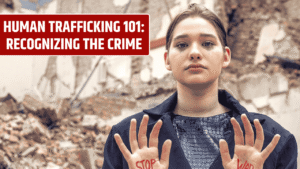
Working with cybercrime units, police traced digital communications and bank transfers that led them to a sprawling trafficking ring operating across multiple countries. The coordinated raids—executed simultaneously in different regions—resulted in the rescue of over 120 victims and the arrest of more than 30 individuals, including the alleged ringleader.
How the Network Operated
According to police reports, the trafficking network functioned like a well-structured business. Recruiters targeted vulnerable individuals from low-income backgrounds through social media and fraudulent employment agencies. Victims were promised legitimate work opportunities, only to find themselves trapped in debt bondage or forced to work under threat and violence.
The network used a sophisticated system to evade detection—money laundering through cryptocurrency, falsified travel documents, and shifting victims between countries every few months to avoid law enforcement. Investigators also discovered encrypted messaging apps and offshore accounts used to manage payments between traffickers.
The Victims’ Stories
Among the rescued were men, women, and children aged between 14 and 45. Many were found in overcrowded apartments and makeshift workshops, working up to 18 hours a day. Some had been trafficked for years, while others had only recently arrived.
Victims were provided with immediate medical care, psychological counseling, and safe shelter. Authorities have also begun coordinating with non-profit organizations to assist in repatriation and long-term rehabilitation. Law enforcement officials noted that several survivors showed immense courage by providing testimonies that were key to cracking the case.
International Cooperation at Work
This operation is being hailed as a landmark example of international collaboration. Agencies from different countries—including Europol, Interpol, and regional task forces—shared intelligence and resources throughout the investigation. Advanced technologies such as digital forensics, blockchain tracing, and AI-based facial recognition were instrumental in tracking suspects and identifying victims.

Officials from participating nations emphasized the importance of such collaborations, especially as trafficking networks increasingly operate across borders and online platforms. The operation has been described as a template for future anti-trafficking efforts worldwide.
Public and Government Reaction
News of the bust sparked widespread public attention and outrage. Political leaders praised law enforcement agencies for their coordination and bravery. Human rights groups, however, stressed that this victory represents only one battle in an ongoing war. They called for more robust victim support systems and preventive measures—especially online monitoring to detect fraudulent job postings and recruitment scams.
Some experts also urged governments to address the root causes of trafficking: poverty, lack of education, and limited employment opportunities. Without tackling these vulnerabilities, they warned, new networks will inevitably emerge.
The Road Ahead
Following the arrests, prosecutors are preparing to charge the suspects with multiple offenses, including human trafficking, money laundering, document fraud, and organized crime. If convicted, the leaders could face decades in prison. Authorities are also investigating possible links to other transnational criminal organizations, suggesting that this network may have been just one branch of a larger operation.
Meanwhile, social welfare groups are calling for sustained funding for survivor rehabilitation programs. Ensuring that victims can rebuild their lives, access education, and find safe employment is essential for long-term recovery and prevention of re-trafficking.
FAQs
How long did the operation take to plan?
Authorities revealed that the investigation took nearly nine months of surveillance, intelligence gathering, and coordination with international partners before the raids took place.
What will happen to the rescued victims?
Victims are receiving medical, legal, and psychological assistance. Many are being repatriated or placed in safe shelters while authorities verify their identities and provide reintegration support.
Were all traffickers arrested?
While many suspects were detained, police believe some lower-level operatives are still at large. Follow-up operations are ongoing.
How can such networks be prevented in the future?
Experts recommend stricter regulations on labor recruitment agencies, digital monitoring of online job advertisements, and public awareness campaigns to educate potential victims.
What role did technology play in the investigation?
Technology played a crucial role—data analysis, digital forensics, and online surveillance helped trace communications, financial transactions, and movements of both traffickers and victims.