In today’s digital and globalized world, children are more exposed than ever to risks that didn’t exist a generation ago—including the threat of human trafficking. Traffickers often target children because they are trusting, impressionable, and easily manipulated. Parents and guardians play the most vital role in prevention. Knowing how traffickers operate and how to build awareness, both online and offline, can make all the difference.
Understanding How Traffickers Target Children
Traffickers use deception, manipulation, and psychological control rather than immediate force. They might pose as friends, recruiters, or even romantic partners—both in person and online. Social media has become a powerful hunting ground for traffickers, who use fake profiles to befriend children, gain their trust, and exploit their vulnerabilities.
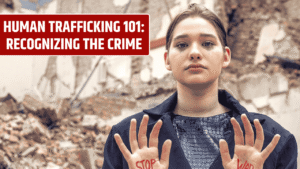
They often promise gifts, attention, modeling contracts, or travel opportunities to lure victims. Once the child is emotionally attached or physically isolated, traffickers can use threats, shame, or blackmail to maintain control.
1. Educate Your Children Early
Start conversations about safety at an early age. Explain that not everyone online—or even in person—has good intentions. Teach your child how to identify inappropriate behavior, such as requests for personal photos or secrets they’re told to keep. Emphasize that they can always come to you without fear of punishment or judgment.
Encourage open communication by asking questions like, “Has anyone online made you uncomfortable?” or “Do you know what to do if someone asks for personal information?”
2. Monitor Online Activity

The internet is one of the most common tools traffickers use to reach children. Parents should:
- Check privacy settings on all apps and games.
- Monitor friend lists and block suspicious accounts.
- Limit access to private messaging features.
- Use parental control software to track online activity.
It’s not about invading privacy—it’s about ensuring safety. Teach your child to think before sharing photos, locations, or personal information online.
3. Know Their Friends and Social Circles
Traffickers often approach children through acquaintances or friends. Know who your child spends time with, both online and offline. Encourage group activities and community involvement where supervision is strong.

Be alert to new relationships that seem secretive, controlling, or overly intense. If your child suddenly starts hiding information about a new “friend,” especially one who seems much older, that’s a red flag.
4. Recognize Behavioral Changes
Children who are being groomed or targeted may display sudden changes in mood or behavior. They might:
- Withdraw from family and friends.
- Become secretive about their phone or online activities.
- Have unexplained money, gifts, or new clothes.
- Express interest in traveling with new acquaintances.
- Show fear, anxiety, or depression without clear cause.
Trust your instincts. If something feels off, gently probe without accusing or shaming. Traffickers often manipulate victims into believing their families won’t understand.
5. Teach Safe Boundaries
Help children understand personal boundaries and consent. Role-play scenarios to teach them how to say “no” firmly, walk away from uncomfortable situations, and seek help.
Also, explain that it’s never their fault if someone tries to manipulate or harm them. Empowerment is one of the best defenses against exploitation.
6. Be Cautious About Job Offers and Travel Opportunities
For teens, traffickers may disguise themselves as recruiters for modeling, entertainment, or overseas work. Always verify the legitimacy of any offer. Research the company, ask for official documentation, and never allow your child to travel alone to meet someone for a “job” or “audition.”
If an opportunity sounds too good to be true, it probably is.
7. Stay Involved in Their Daily Life
The more engaged parents are, the harder it becomes for traffickers to create emotional distance. Know your child’s routines, check in regularly, and spend quality time together. Children who feel supported and connected are less likely to fall prey to manipulation.
8. Teach Them How to Seek Help
Ensure your child knows who to call in an emergency—whether it’s you, a teacher, a trusted friend, or law enforcement. Post important numbers in your home and program them into your child’s phone.
In the U.S., the National Human Trafficking Hotline (1-888-373-7888) and CyberTipline (1-800-843-5678) are available 24/7 for confidential assistance.
FAQs
What age group is most at risk for child trafficking?
Children between 12 and 17 are most frequently targeted, but even younger children can be groomed, especially online.
Can trafficking happen in developed countries?
Yes. Trafficking occurs everywhere—urban or rural, rich or poor. It’s not limited to any single region or demographic.
How do traffickers find children online?
They use social media, gaming platforms, and messaging apps. They often search for posts that indicate loneliness, conflict, or vulnerability.
What should parents do if they suspect their child is being groomed?
Document all suspicious interactions, talk calmly with your child, and report immediately to law enforcement or a trafficking hotline.
How can schools help prevent trafficking?
Schools can implement awareness programs, train staff to recognize red flags, and provide safe spaces for students to report concerns.