Human trafficking is often called a “hidden crime” because victims rarely come forward or are too afraid to seek help. Traffickers use manipulation, fear, and violence to keep them silent. That’s why it’s crucial for ordinary people—teachers, healthcare workers, employers, or even friends—to recognize the signs. Knowing what to look for can save a life.
1. Restricted Freedom of Movement
Victims often have limited or no control over their own movements. They might be constantly monitored, live and work at the same location, or need permission to leave. If someone seems unable to move freely, it could be a red flag that they’re under control or coercion.
2. Signs of Physical Abuse or Neglect
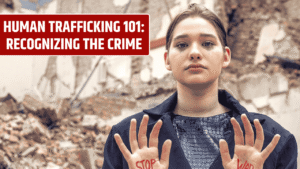
Bruises, scars, malnutrition, untreated injuries, or signs of physical restraint (such as rope marks) are strong indicators of possible trafficking. Victims may avoid medical care because traffickers prohibit it or accompany them to appointments to maintain control.
3. Lack of Identification Documents
Traffickers frequently confiscate victims’ IDs, passports, or other legal documents. If a person doesn’t have access to their identification or someone else insists on holding it “for safekeeping,” it’s a major warning sign of exploitation.
4. Fearful, Anxious, or Submissive Behavior
Victims of human trafficking often appear scared, anxious, or overly submissive—especially around authority figures or the person accompanying them. They might avoid eye contact, seem tense, or be reluctant to speak. These psychological cues can reveal deep trauma or control.
5. Inconsistent Stories or Scripted Responses

When questioned, victims might give rehearsed or inconsistent answers about their situation, job, or family. This often happens because traffickers coach them on what to say if approached by outsiders or law enforcement.
6. Working or Living in Poor Conditions
Victims may live and work in the same cramped or unsanitary environment, sometimes with barred windows or locked doors. They may work excessively long hours without breaks or pay. Situations like these—especially in domestic work, construction, or agriculture—warrant immediate concern.
7. Being Accompanied by a Controlling Individual
If someone is constantly accompanied by another person who insists on speaking for them, controls their money, or prevents private conversation, that’s a clear danger sign. The companion may be a trafficker posing as a relative, employer, or partner.
8. Signs of Psychological Trauma
Trafficking victims endure extreme emotional abuse and manipulation. Symptoms like depression, fearfulness, hypervigilance, or post-traumatic stress are common. Some victims may appear detached, confused, or emotionally numb.
9. Lack of Knowledge About Location or Time
When individuals seem unaware of where they are, what city they’re in, or the current date, it could indicate isolation and confinement. Traffickers often move victims frequently to prevent escape and disorient them.
10. Working Under Coercion or Threats
The most defining sign of trafficking is coercion. Victims may express fear of deportation, physical harm, or punishment if they don’t comply. Others might say they “owe” their employer money—a tactic traffickers use to trap them in debt bondage.
FAQs
Can men be victims of human trafficking too?
Yes. While most victims are women and children, men are often trafficked for forced labor, agriculture, and construction work.
What should I do if I suspect someone is being trafficked?
Don’t confront the trafficker. Instead, call the local police or contact a trafficking hotline. Provide as many details as possible.
Are all trafficking victims physically restrained?
No. Many are controlled through threats, debt, lies, or emotional manipulation rather than physical force.
How can technology help detect trafficking victims?
Social media monitoring, facial recognition in airports, and data analysis tools are increasingly used to locate missing persons and trafficking victims.
What role can ordinary people play?
Be observant, informed, and willing to report suspicious behavior. Small actions—like asking gentle questions or notifying authorities—can make a huge difference.